
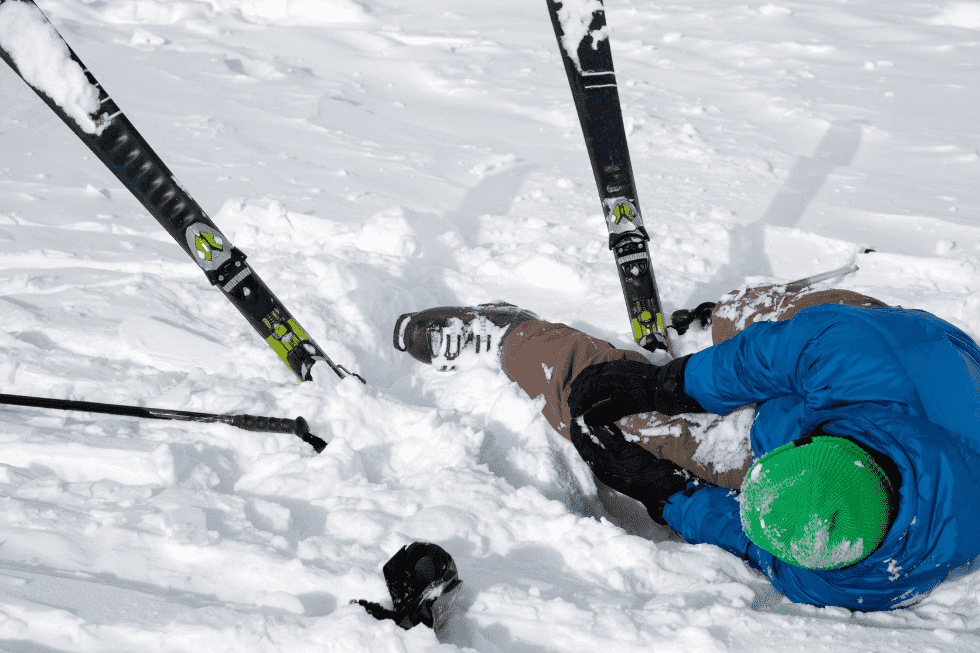
Colorado’s majestic mountains transform into a winter sports paradise each year, drawing thousands of enthusiasts to its world-class slopes and trails. While the thrill of carving through fresh powder or gliding across pristine Nordic tracks is unmatched, winter sports come with their own set of risks. Understanding common injuries, prevention strategies, and knowing when to seek medical attention can help ensure your winter adventures remain safe and enjoyable.
Common Winter Sports Injuries in Colorado
Knee Injuries: The Most Frequent Concern
Skiing and snowboarding put particular stress on the knees, making them especially vulnerable to injury. The anterior cruciate ligament (ACL) often bears the brunt of sudden twists and turns on the slopes. When a skier lands awkwardly or catches an edge, the resulting torque can strain or tear this crucial ligament. Many experienced skiers can recall that distinctive “popping” sound that often accompanies an ACL injury, followed by immediate pain and instability in the knee joint.
Medial collateral ligament (MCL) injuries are similarly common, particularly among snowboarders who frequently find themselves in positions that stress the inner knee. The repetitive motion of skiing and snowboarding, combined with the dynamic nature of mountain terrain, makes knee injuries particularly prevalent among winter sports enthusiasts.
Upper Body Trauma
The instinctive reaction to break a fall often leads to upper body injuries. Snowboarders frequently experience wrist fractures and sprains, as they tend to fall forward or backward with their arms outstretched. Skiers aren’t immune to upper body injuries either, with shoulder dislocations and rotator cuff injuries occurring when poles get caught or during attempts to break a fall.
The infamous “skier’s thumb” occurs when a fall causes the thumb to bend backwards, often while still gripping a ski pole. This can result in a sprain or tear of the ulnar collateral ligament, potentially requiring medical intervention for proper healing.
Prevention Strategies for Winter Sports Enthusiasts
Understanding and implementing proper prevention techniques can significantly reduce your risk of injury on the slopes. Prevention begins long before you reach the mountain and continues throughout your winter sports experience.
Pre-Season Preparation
The importance of pre-season conditioning cannot be overstated. Many winter sports injuries occur due to inadequate physical preparation. A comprehensive fitness program focusing on cardiovascular endurance, strength training, and flexibility can significantly reduce your risk of injury. Core strength is particularly crucial for maintaining balance and control while skiing or snowboarding.
Exercises that target the quadriceps, hamstrings, and gluteal muscles help prepare your body for the demanding movements of winter sports. Including balance exercises in your routine can improve proprioception – your body’s ability to sense its position in space – which is crucial for preventing falls and maintaining control on the slopes.
Equipment Considerations
Properly fitted and maintained equipment plays a vital role in injury prevention. Bindings should be adjusted according to your weight, skill level, and skiing style. Many injuries occur because bindings fail to release when they should, or release too easily. Having your equipment professionally fitted and maintained at the beginning of each season is a worthwhile investment in your safety.
Protective gear, including helmets, wrist guards for snowboarders, and appropriate padding, should be considered essential rather than optional. Modern protective equipment is designed to be comfortable and effective, providing crucial protection during inevitable falls and collisions.
Recognizing When to Seek Medical Care
Immediate Red Flags
Some injuries require immediate medical attention. Severe pain, inability to bear weight, visible deformity, or loss of consciousness after a fall are clear indicators that you need urgent medical care. At Three Peaks Urgent Care, we understand the difference between injuries that can wait and those that require immediate attention.
Joint injuries accompanied by a popping sound, immediate swelling, or instability should be evaluated promptly. The first 24-48 hours after an injury are crucial for proper diagnosis and treatment initiation. Delaying care can lead to complications and longer recovery times.
Delayed Symptoms
Not all serious injuries present with immediate dramatic symptoms. Some may develop over hours or days following the incident. Persistent pain, swelling that doesn’t improve with rest and ice, or increasing difficulty with normal movements are signs that you should seek medical evaluation.
Concussions, which can occur even with helmet use, may not show immediate symptoms. Headaches, confusion, dizziness, or mood changes in the days following a fall warrant medical attention, even if you initially felt fine.
The Role of Urgent Care in Winter Sports Injuries
When to Choose Urgent Care
Three Peaks Urgent Care offers a convenient and cost-effective alternative to emergency room visits for many winter sports injuries. Our facility is equipped to handle sprains, strains, simple fractures, and other common winter sports injuries. We provide on-site X-ray services, allowing for quick diagnosis and treatment planning.
For injuries that occur during regular business hours, urgent care typically offers shorter wait times and more personalized care than emergency departments. We can provide immediate treatment for acute injuries and make appropriate referrals when specialized care is needed.
Treatment and Recovery
The initial treatment provided in the urgent care setting can significantly impact your recovery timeline. Our medical team can provide appropriate immobilization, prescribe necessary medications, and offer guidance on rehabilitation exercises. We also work closely with local orthopedic specialists when referrals are needed for more severe injuries.
Long-Term Considerations and Return to Sport
Progressive Rehabilitation
Returning to winter sports after an injury requires a careful, progressive approach. Our medical team can provide guidance on appropriate rehabilitation exercises and help you understand when it’s safe to return to activity. This typically involves a gradual progression from basic movements to sport-specific activities.
Future Injury Prevention
Learning from an injury experience can help prevent future incidents. We can help you understand what contributed to your injury and how to modify your technique or preparation to reduce future risk of sports injuries. This might include recommendations for specific exercises, equipment modifications, or technique adjustments.
Preventing Winter Sports Injuries
Winter sports injuries are common in Colorado, but many can be prevented with proper preparation and awareness. Understanding the risks, taking appropriate preventive measures, and knowing when to seek medical care can help ensure your winter sports activities remain safe and enjoyable. At Three Peaks Urgent Care, we’re committed to providing prompt, professional care for winter sports injuries, helping you get back to the activities you love as safely and quickly as possible.
Remember, while the thrill of winter sports is part of what makes Colorado special, your safety should always come first. Don’t hesitate to seek medical attention when needed, and always err on the side of caution when it comes to injury prevention and care.