
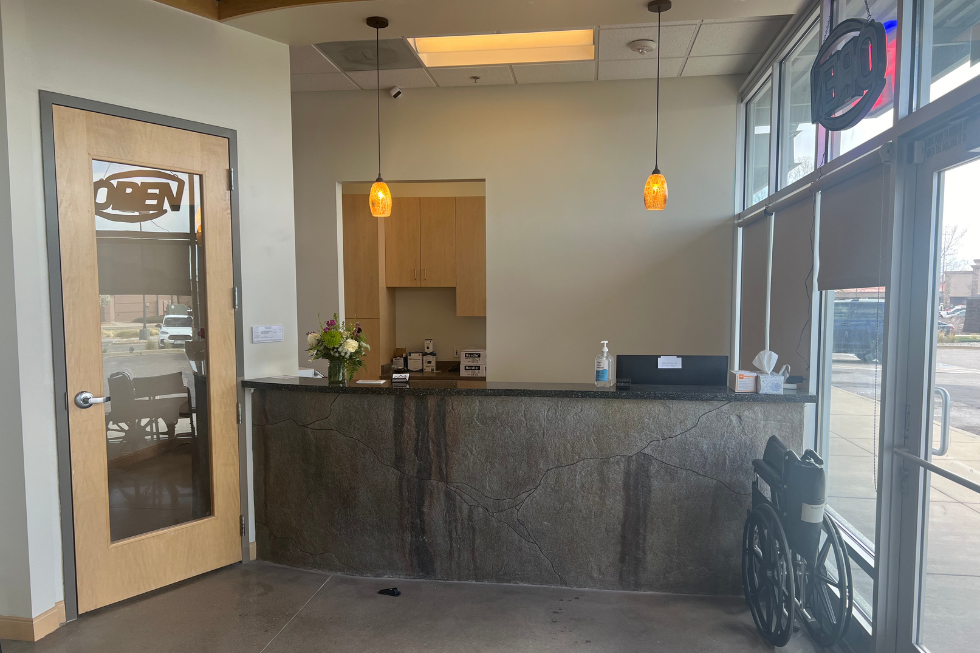
When you or a loved one feels ill or gets hurt unexpectedly, deciding where to seek care can be stressful. In Aurora, Colorado, patients often face a common question: Should I Go To An Urgent Care Or Head To The Emergency Room? Both provide valuable services, but understanding the differences can help you get the right care at the right time, avoid unnecessary costs, and feel confident about your health decisions.
Healthcare has many options, and not all medical needs require the highest level of emergency resources. By knowing what each care setting offers, you can make informed decisions that benefit your health and your wallet, without compromising the quality of care you receive.
What Is An Emergency Room
An emergency room ER is a hospital based unit designed to care for patients with serious, life threatening injuries and illnesses. ERs are staffed with emergency medicine physicians, nurses, and specialists who can handle critical situations. They are open 24 hours a day, seven days a week, ready to respond to trauma, heart attacks, strokes, severe bleeding, difficulty breathing, poisoning, and other urgent health crises.
Because ERs must be prepared for the most serious cases, they feature advanced diagnostic tools such as CT scans, magnetic resonance imaging, and full laboratory services. They also have access to surgeons and specialists, and the ability to admit patients for inpatient care.
This level of readiness makes ERs indispensable for true emergencies, but it also means ER visits tend to be more expensive, and you may wait longer for care if your condition is not immediately life threatening.
What Is Urgent Care
Urgent care centers fill an important role in the healthcare system by providing prompt medical attention for conditions that are not life threatening, but still require timely care. In Aurora, urgent care facilities like Three Peaks Urgent Care offer walk-in access to medical professionals trained to diagnose and treat a variety of non-emergency health issues.
Urgent care clinics are typically open beyond regular business hours, including evenings and weekends, providing flexibility for patients who need care outside of a primary care doctor’s schedule. They are equipped to handle sprains, minor fractures, infections, rashes, allergies, mild asthma attacks, flu symptoms, urinary issues, and more.
While urgent care clinics do not have the same level of diagnostics as ERs, many offer X rays, basic lab tests, and on site treatment options that address the majority of non critical conditions without the need for an ER visit.
Understanding Urgency And Emergencies
One key to choosing the right care is distinguishing between urgent and emergency conditions. A true emergency is something that could result in death, permanent disability, or severe harm if not treated immediately. Symptoms such as chest pain, sudden numbness or weakness, trouble breathing, unmanageable bleeding, head injury with loss of consciousness, and signs of a heart attack or stroke warrant an ER visit.
Urgent conditions are uncomfortable or concerning but are not likely to cause long term harm if treated in a few hours. Examples include earaches, sore throats, urinary tract infections, mild asthma flare ups, small cuts that may need stitches, and simple fractures.
The decision between urgent care and the emergency room should always lean toward caution when you are unsure. If symptoms are severe, worsening rapidly, or life threatening, call 911 or go to the nearest ER.
Cost Differences Between Urgent Care And Emergency Room Visits
Another important factor in deciding where to seek care is cost. Emergency rooms are designed and equipped to handle the most severe conditions, which means their services are more comprehensive, but also more expensive. ER visits typically carry higher facility fees, higher physician fees, and higher diagnostic costs compared to urgent care.
For non life threatening issues, choosing urgent care can significantly reduce out of pocket expenses. Urgent care clinics like Three Peaks Urgent Care provide affordable, high quality care for a wide range of common ailments. Patients often experience shorter wait times and lower overall costs, especially when compared to the financial impact of a non emergency ER visit.
Insurance plans may also influence cost differences. Many plans have different copays or coverage rules for urgent care versus emergency care. Always check with your insurance provider if you have questions about cost responsibilities.
Wait Times And Accessibility
When you are not feeling well, waiting for care can feel unbearable. Emergency rooms prioritize patients based on the severity of their condition, meaning that someone with a non life threatening issue could wait hours behind more critical cases. This can be frustrating, especially for minor illnesses or injuries that still cause discomfort and worry.
Urgent care clinics operate on a first come first served basis, with patients typically waiting less time than they would in an ER. Many urgent care centers also provide online check in and appointment scheduling, further reducing wait times and allowing patients to plan their visit more conveniently.
In Aurora, urgent care clinics are located throughout the community, making them a practical choice for residents seeking quick access to care without the unpredictability of emergency room queues.
Services Offered At Urgent Care Vs Emergency Room
While urgent care and emergency rooms overlap in some services, there are clear differences in what each setting can provide. Emergency rooms are equipped for complex diagnostics, surgical interventions, and inpatient care. If you need an MRI, major surgery, or round the clock hospital monitoring, the ER is your destination.
Urgent care facilities provide many essentials for non severe medical needs. These include treating common infections such as strep throat and bronchitis, diagnosing sprains and minor fractures with X rays, administering vaccinations, treating minor burns and cuts, and offering basic lab work. Many urgent care centers also assist with occupational health needs such as physicals and work related injuries.
Patients should remember that urgent care is not a substitute for a primary care physician, but it is an excellent resource for immediate care when your doctor is unavailable and your issue is not an emergency.
When To Seek Emergency Room Care
You should always choose the emergency room if you are experiencing symptoms that are severe, life threatening, or could lead to permanent harm without immediate intervention. Examples include prolonged chest pain, severe shortness of breath, sudden weakness or confusion, severe head or neck injuries, uncontrollable bleeding, and symptoms of stroke or heart attack.
Additionally, if an injury involves the head, neck, or spine, or if there is suspected poisoning or a serious allergic reaction with swelling of the face or throat, the ER is the appropriate place. In these instances, every second counts, and the advanced resources of an emergency room make a crucial difference in outcomes.
When Urgent Care Is The Better Choice
For non life threatening issues, urgent care often provides the best balance of quality, speed, and cost. You should consider urgent care if you have a high fever, persistent cough, sore throat, earache, minor cuts or burns, sprains, simple fractures, or symptoms of common infections. These conditions deserve prompt medical attention, but they do not require the full capabilities of an ER.
Urgent care is also ideal for patients who do not have an established primary care provider, or need medical attention outside of regular office hours. Clinics like Three Peaks Urgent Care are staffed with experienced medical professionals who can diagnose and treat a variety of ailments efficiently, referring patients to specialists or primary care doctors when necessary.
Making The Right Choice For Your Health
Choosing between urgent care and the emergency room is ultimately about putting your health first while making smart decisions based on the severity of your condition. When in doubt, lean toward caution, especially if symptoms are severe or rapidly worsening. But for most non life threatening conditions, urgent care offers timely, cost effective, and comprehensive medical services.
Knowledge empowers patients to seek the appropriate care quickly and confidently. Understanding the capabilities of urgent care and emergency rooms can reduce stress during times of illness or injury, and ensure you receive the right treatment at the right place.
Three Peaks Urgent Care Is Here For You
At Three Peaks Urgent Care, we are committed to providing high quality medical care when you need it most. From minor injuries to common illnesses, our experienced team is ready to help you feel better without the wait or expense of an emergency room visit. If you or a loved one needs care for a non life threatening condition visit our website to learn more about our services and find the care you need today. Explore Three Peaks Urgent Care services at https://threepeakscare.com/ and get the prompt compassionate treatment you deserve.